Subtotal $ 0

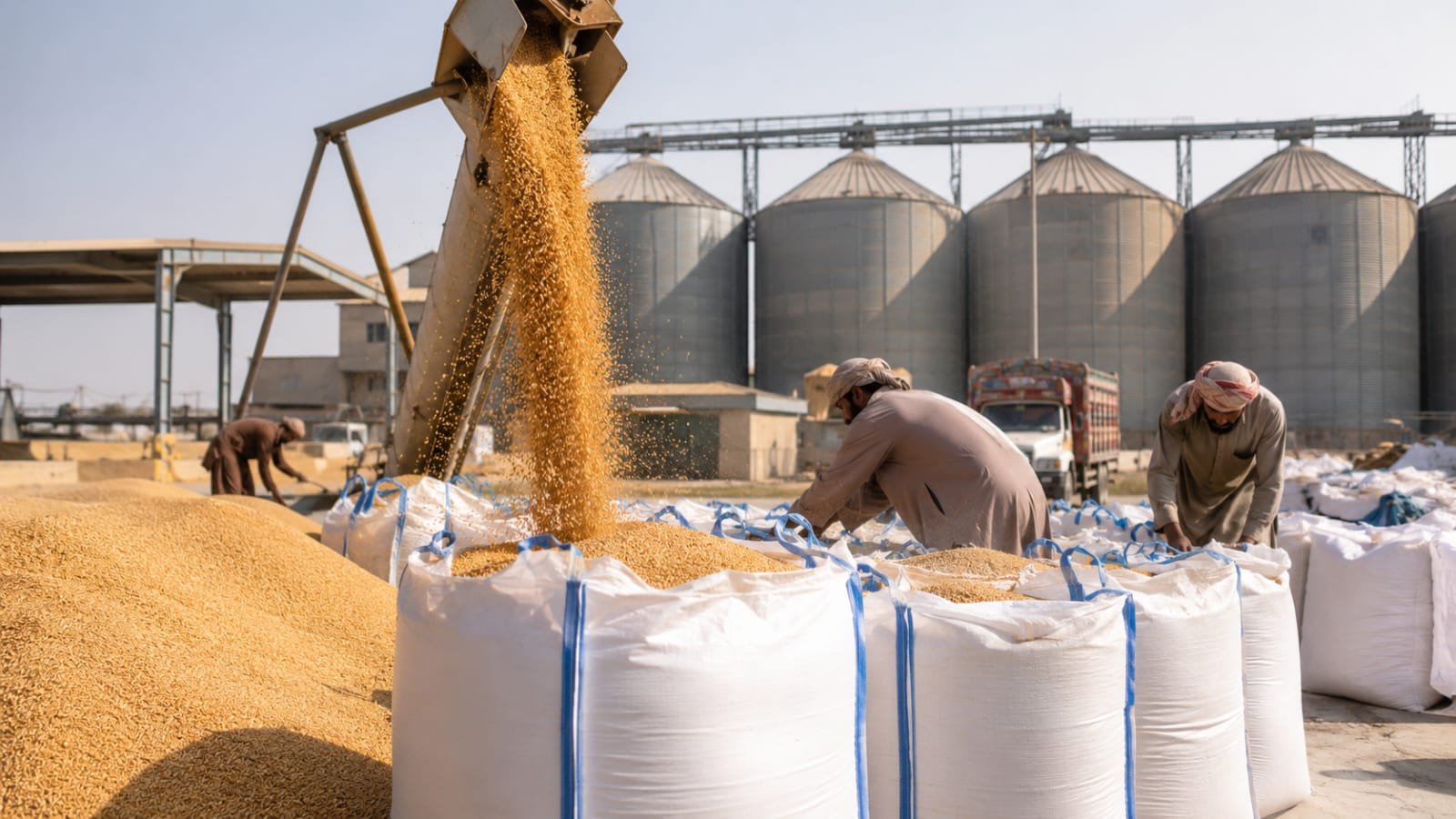
Current Wheat Price in Pakistan for Wholesale and Bulk Buyers
The wheat price in Pakistan changes throughout the year due to harvest seasons, government policies regional supply and market demand. If you’re searching for the latest wheat price in Pakistan this guide provides updated wholesale rates regional pricing, market trends and practical buying tips for flour mills, exporters feed businesses and bulk buyers. Understanding these factors can help you secure better prices and make informed purchasing decisions.
We work directly with growers and buyers in Punjab’s grain belt, and we can tell you the number quoted on a random price chart almost never matches what you’ll actually pay on a bulk order. If you’re sourcing raw wheat, browsing our wheat product listing is a good starting point before you lock in a quote elsewhere.
This guide breaks down current rates what actually moves the price, and how to buy smart instead of overpaying.
Current Wheat Price in Pakistan for Bulk Orders

Here’s where the market stands as of mid-2026.
Wholesale wheat grain is trading between Rs. 3,200 and Rs. 3,600 per 100 kg bag, depending on the region and the mill or trader you’re buying from. Retail rates for the same grain typically run a little higher, closer to Rs. 3,400 to Rs. 3,700 per 100 kg, once local transport and handling get added on.
Flour prices follow the same pattern. Chakki fresh (whole wheat) flour is running Rs. 145-175 per kg at retail, while standard white flour sits a bit lower at Rs. 130-160 per kg. If you’re supplying a bakery or processing unit, these two grades matter a lot more than the average headline number most articles quote.
Quick answer: for bulk buyers, expect wholesale grain pricing in the Rs. 3,200-3,600/100kg range right now, with your final quote depending on region, quantity, and quality grade.
Why Wheat Price in Pakistan Changes by Region
A buyer in Lahore and a buyer in Quetta are not looking at the same number, and that’s not a coincidence.
Punjab produces the largest share of Pakistan’s wheat, so cities close to that belt, like Faisalabad and Multan, tend to see steadier, slightly lower rates because grain doesn’t have to travel far. Karachi and Islamabad run a bit higher due to transport costs and higher local demand. Khyber Pakhtunkhwa and Balochistan see the highest rates of all, since both provinces rely heavily on wheat shipped in from Punjab and Sindh, and that freight cost shows up directly in the final price.
If your business has any flexibility on sourcing location, buying closer to the growing regions instead of paying a city premium can meaningfully cut your cost per ton.
The Government’s Role in Setting Wheat Rates
This is the part a lot of buyers don’t fully understand and it explains a lot of the price movement you see.
Every year, ahead of the Rabi season, the federal and provincial governments announce a Minimum Support Price, the rate at which the state guarantees to buy wheat from farmers. For the current Rabi cycle, that support price has been set around Rs. 3,650 per 100 kg.
The Pakistan Agricultural Storage & Services Corporation, known as PASSCO, procures grain at this rate to build strategic reserves and keep supply steady across provinces. When open market prices drop below the support price, farmers sell to PASSCO instead of private buyers, which puts a natural floor under the market. When reserves are released back into the open market during a shortage, it can pull prices back down just as quickly.
For anyone buying at scale, understanding this mechanism matters more than watching daily mandi rates, because a single policy announcement can shift the entire market overnight.
Wheat Grain vs Flour Pricing What Bulk Buyers Need to Know
These two numbers get confused constantly so here’s the clean breakdown.
Grain price is what a flour mill, feed company, or exporter pays for raw, unprocessed wheat, usually quoted per 100 kg or per 40 kg bag depending on the trader. Flour price already includes milling costs, packaging, and the miller’s margin on top of the raw grain cost.
If you’re a business buying to mill your own flour, or exporting raw grain, the wholesale grain rate is your relevant benchmark, not the retail flour price you see quoted in news articles. Confusing the two is one of the most common pricing mistakes we see from buyers new to sourcing wheat directly.
What Drives Wheat Price Swings Season to Season

Beyond government policy, a handful of other factors move the market throughout the year.
Harvest timing sets the baseline. Wheat is sown in November and harvested between April and May, so prices are usually at their lowest right after harvest when fresh grain floods the market, and they climb gradually as stored stock becomes the only available supply later in the year.
Input costs matter too. When fertilizer, diesel, and seed prices rise, farmers need higher returns just to break even, and that gets built into the asking price at the mandi.
Weather remains the biggest wildcard. A dry spell during the growing season or unseasonal rain at harvest time can cut yields sharply, and Pakistan’s wheat market has felt that impact more than once in recent years.
International trade plays a role as well. When domestic production falls short, Pakistan imports wheat from countries like Russia and Ukraine, and the import parity price, international cost plus freight and duties, effectively sets a ceiling on how high local prices can climb. When Pakistan has a surplus, some of it gets exported to neighboring markets like Afghanistan, which can tighten local supply and push rates up instead.
Tips for Buying Wheat in Bulk
A few practical habits make a real difference when you’re placing a large order instead of a household purchase.
Time your purchase around the harvest window between April and June when fresh supply is highest and prices are typically 15-20% lower than peak season. Compare rates across two or three nearby mandis or suppliers before committing, since regional differences of a few hundred rupees per 100 kg are common even between cities that aren’t far apart. And confirm exactly which grade and moisture content you’re buying, since lower-quality grain sold at a “discount” rate often costs more once you factor in milling loss and storage spoilage.
If you’re sourcing for export or large-scale milling, working directly with an established Pakistani supplier instead of going through several layers of middlemen typically saves a noticeable amount on your final landed cost.
FAQs
What is the current wheat price in Pakistan per 100 kg?
Wholesale wheat grain is currently trading between Rs. 3,200 and Rs. 3,600 per 100 kg bag, with retail rates running slightly higher depending on the region.
What is the government’s minimum support price for wheat?
For the current Rabi season, the minimum support price has been set at approximately Rs. 3,650 per 100 kg, the rate PASSCO uses to procure grain directly from farmers.
Why do wheat prices differ between provinces?
Punjab, as the largest producer, generally sees the most stable rates, while provinces like Khyber Pakhtunkhwa and Balochistan pay more because they rely on wheat transported in from other regions.
When is wheat cheapest in Pakistan?
Prices are usually lowest right after harvest, between April and June, when fresh grain floods the market and typically drops 15-20% from peak-season levels.
Does Pakistan import or export wheat?
Both, depending on the year. Pakistan imports from countries like Russia and Ukraine when domestic production falls short, and exports surplus stock to neighboring markets like Afghanistan in strong harvest years.
What’s the difference between wheat grain price and flour price?
Grain price is the raw, unprocessed rate paid by mills and traders, while flour price includes milling, packaging, and margin, which is why it’s always higher per kilogram.
How can I get an accurate wholesale quote instead of a general average?
Contact a supplier directly with your required grade, quantity, and delivery location, since published averages don’t reflect real-time mandi rates or your specific order size.
Final Thoughts
The wheat price in Pakistan moves on a mix of harvest timing, government support pricing, input costs, and international trade, and once you understand how those pieces fit together, the swings stop feeling random. For household buyers that’s useful context. For anyone sourcing at scale, it’s the difference between overpaying and locking in a fair rate.
If you’re planning a bulk wheat purchase, checking current mandi movement through PASSCO is a solid way to track official procurement rates. And if you’re ready to source directly, reach out to a trusted supplier who can walk you through current pricing and available grades before you commit to an order.