Subtotal $ 0

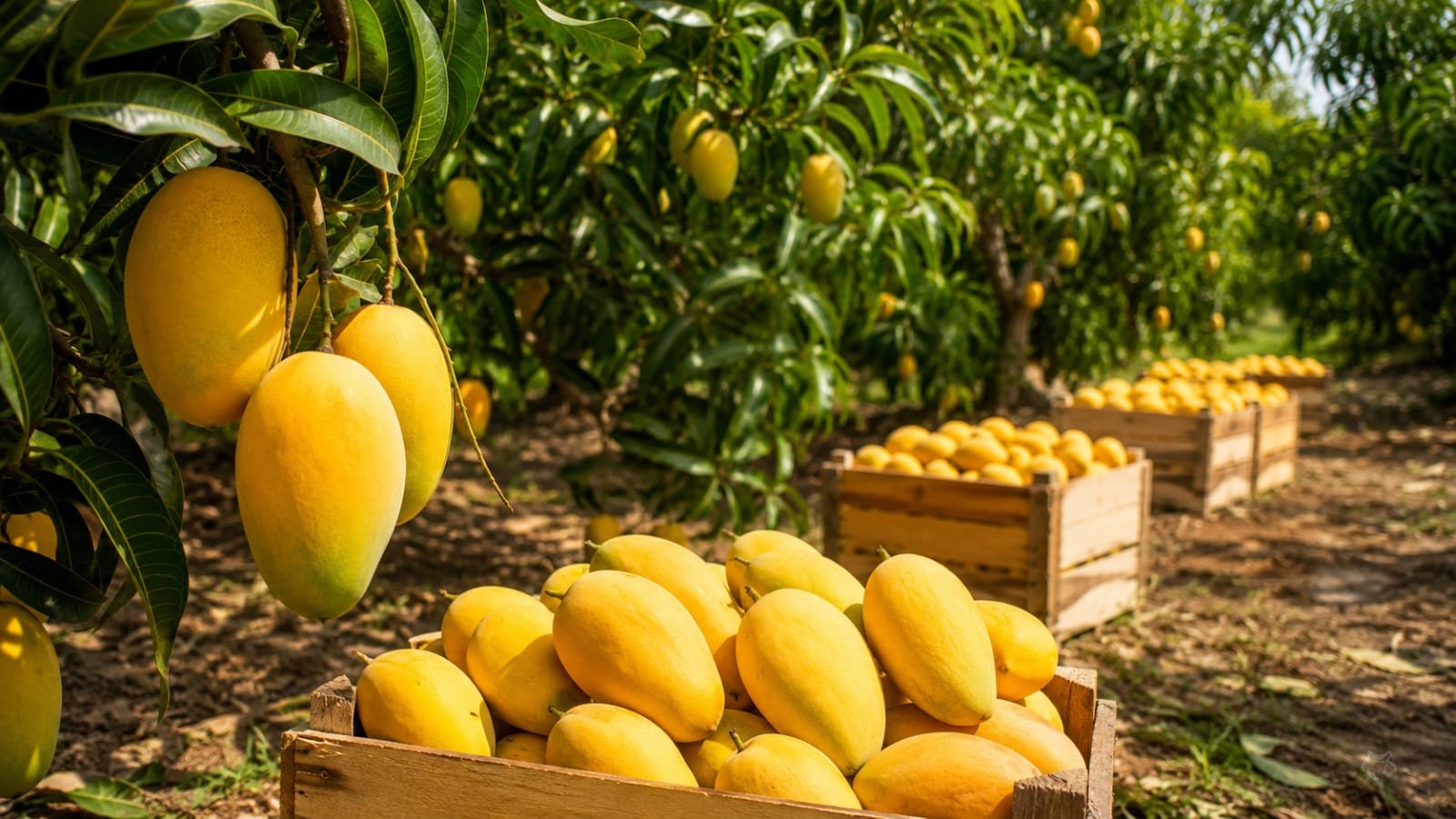
Sindhri Mango Premium Export Quality Mangoes from Pakistan
If you’re sourcing mangoes for export or bulk supply Sindhri mango is probably already on your radar. It’s the variety Pakistani exporters lean on the most and there’s a clear business reason for that it travels well ripens evenly and buyers keep coming back for it season after season. Suppliers offering fresh mangoes for export usually list Sindhri as their flagship variety and once you see why it’s easy to understand.
We deal with this fruit directly every summer sourcing straight from the orchards around Mirpurkhas Tando Allahyar and Hyderabad in Sindh. What we’ve learned over the years is that buyers don’t just want a good mango they want consistency the right grading and a supplier who understands cold chain logistics well enough that the fruit lands in their market looking the same as it did leaving the farm. That’s exactly where Sindhri mango earns its reputation.
Why Buyers Choose Sindhri Mango Over Other Varieties
Sindhri mango is large, usually 300 to 500 grams per fruit with a nearly fiber free pulp that holds its texture even after long transit. That matters more than people realize. A softer fibrous variety can turn mushy halfway through a two week shipping route but Sindhri’s thicker skin and firmer flesh give it a real edge in cold storage and sea freight.
Compared to Chaunsa or Anwar Ratol, Sindhri simply handles distance better. Exporters shipping to the UAE Saudi Arabia, the UK and increasingly China favor it for this exact reason fewer losses more consistent grading and a taste profile that holds up on arrival instead of flattening out.
Sourcing Season and Supply Timelines
Sindhri mango season runs from late May through July with June being the peak harvest window. If you’re planning a shipment or setting up a supply contract, this is the window to lock in volumes and pricing since availability tightens fast once the season winds down in July.
For buyers working on recurring orders it helps to confirm packing schedules with your supplier well before the season starts. Orchards in Sindh pick the fruit slightly under ripe specifically for export so it finishes ripening in transit rather than on the tree something worth factoring into your delivery timelines.
Grading and Quality Standards That Matter for Export
Export-grade Sindhri mango is sorted by size, skin color and firmness before it ever reaches a shipping crate. A properly graded batch should have uniform golden-yellow skin with a slight green tinge near the stem no sunken spots, and no bruising from handling.
Buyers working with a reliable supplier can expect batches graded into consistent size tiers, since mixed-size crates create pricing headaches and complicate retail packaging on the receiving end. This is one of the areas where working directly with an established exporter, rather than through multiple middlemen saves both money and quality control headaches.
Packaging and Cold Chain What Serious Buyers Should Ask About

Packaging is where a lot of export deals succeed or fall apart. Sindhri mango needs ventilated cartons that protect against bruising while still allowing airflow, since sealed, non-ventilated boxes trap heat and speed up spoilage.
Cold chain management matters just as much. Maintaining a steady temperature around 12 to 13°C from farm to port keeps the fruit at the right ripening stage without letting it over-ripen before reaching the buyer. Any supplier worth working with should be able to walk you through exactly how they manage this from harvest to loading and buyers should ask for this detail upfront rather than assuming it’s handled. Exporters active in Pakistan’s fruit export business generally build these standards into every shipment, not just the larger orders.
According to the Trade Development Authority of Pakistan Sindhri remains one of the country’s flagship export varieties largely because of this kind of shelf life and grading consistency which is exactly what keeps repeat buyers coming back season after season.
Sindhri Mango and Mango Lassi A Product Angle Worth Knowing
One reason Sindhri mango moves so well in both retail and food service markets is its pulp quality. It’s the preferred variety for mango lassi across Pakistan because the flesh blends completely smooth, without the stringy bits that cheaper varieties leave behind. Juice shops and dairy brands specifically request Sindhri when sourcing pulp for lassi and similar drinks, since customers notice the difference in texture.
This makes it a strong option for buyers in the juice, dairy and food processing sectors not just fresh fruit retailers. A batch that’s slightly softer or ripening faster than ideal for fresh fruit shelves can often still be perfect for pulp and lassi production, giving buyers flexibility depending on their end use.
Buyers sourcing pulp grade fruit for lassi or juice production should ask suppliers directly about ripeness-stage sorting, since fresh-market and processing market fruit are often graded differently even within the same harvest.
Working With a Direct Exporter vs a Middleman

A lot of overseas buyers still source through layers of local agents, which usually means higher pricing inconsistent grading, and slower communication when something needs adjusting mid-shipment. Working directly with an exporter who owns the sourcing relationship with orchards rather than one who’s buying from a market and reselling typically means better pricing and far more control over quality.
It’s worth checking whether your supplier sources directly from Sindh’s growing regions or through intermediaries, since that one factor affects both price and consistency more than almost anything else in the deal.
What to Ask Before Placing a Bulk Order
Before committing to a supplier for Sindhri mango a few questions save a lot of trouble later. Ask about minimum order quantities, available carton sizes, whether pricing is FOB or CIF and what documentation phytosanitary certificates, certificates of origin comes standard with the shipment.
It’s also worth asking how disputes over quality on arrival are handled. A supplier confident in their grading process won’t hesitate to walk you through their claims policy, since strong exporters rarely need to use it.
Companies with an established track record in the export sector usually have this process documented and ready to share before you even ask which is generally a good sign of how the rest of the relationship will go.
Frequently Asked Questions
What makes Sindhri mango a good export variety?
Its thick skin and firm, nearly fiber-free flesh let it handle long transit and cold storage without significant spoilage. That reliability is exactly why exporters and overseas buyers favor it over softer varieties.
When should I place an order for Sindhri mango?
The season runs from late May to July, with June being peak harvest. Buyers should confirm volumes and packing schedules before the season starts, since supply tightens quickly by late July.
Is Sindhri mango suitable for juice or lassi production?
Yes, its smooth, fiberless pulp makes it a preferred choice for mango lassi, juice and pulp processing. Many dairy and juice brands specifically request this variety for that reason.
What packaging works best for shipping Sindhri mango?
Ventilated cartons that allow airflow while preventing bruising are standard for export shipments. Combined with cold chain management around 12 to 13°C this keeps the fruit in good condition until it reaches the buyer.
Should I buy directly from an exporter or through an agent?
Buying directly from an exporter with orchard relationships in Sindh generally means better pricing and more consistent grading. Going through multiple agents usually adds cost and reduces control over quality.
What documents should come with a Sindhri mango export shipment?
Standard export shipments should include a phytosanitary certificate and certificate of origin at minimum. A reliable supplier will have these ready without needing to be chased for them.
Get in Touch for Sourcing
Whether you need a one-time bulk shipment or a recurring seasonal supply sourcing Sindhri mango from a direct exporter with real orchard relationships makes the whole process simpler better pricing consistent grading and fewer surprises once the fruit lands. Reach out to discuss volumes packaging and shipping options ahead of this year’s harvest.
The earlier you lock in your order the better your chances of getting first pick from the June harvest when quality and availability both peak. Waiting until mid season often means settling for smaller batches at higher prices because the best grades move fast.
We’re happy to walk you through carton options FOB or CIF pricing and realistic delivery timelines based on your destination port. If you’re new to sourcing from Pakistan we can also guide you through the documentation and certification side so there are no delays at customs.
Drop us a message with your expected volume and target market and we’ll get back with a straightforward quote no lengthy back and forth just clear numbers you can plan around.