Subtotal $ 0

Why Most Chip Batches Fail Before They Even Hit the Fryer
Ask any chips manufacturer in Pakistan what keeps them up at night and it’s rarely the fryer temperature or the seasoning blend. It’s the potato.
Pick the wrong variety and you’ll end up with chips that brown unevenly taste faintly sweet instead of savory or turn soggy within hours of packing. That’s because not every potato is built for high-heat frying. The best potatoes for chips share three traits: low sugar content high dry matter and a shape that fries evenly.
If you’ve ever wondered why some brands of chips are golden and crunchy while others look patchy and dark, the answer usually traces back to the field not the factory. We work with growers who supply varieties like the Natural Lady Rosetta potato, and honestly the difference in fry quality between a proper crisping variety and a table potato is obvious within the first batch.
This guide walks you through exactly what to look for which varieties actually perform, and how to avoid the sourcing mistakes that cost processors money every season.
What Actually Makes a Potato Good for Chips?
Not all potatoes behave the same way in hot oil, and this is where a lot of buyers get confused. A potato can look perfect firm, clean, no bruising, and still fry terribly.
Low Sugar, High Starch
Here’s the science in plain terms: sugars in a potato caramelize under heat, and that’s what causes dark spots and bitter edges on fried chips. Varieties bred for crisping are selected specifically because they hold very little reducing sugar, even after months in storage.
Dry matter matters just as much. Potatoes with higher starch content absorb less oil, fry faster, and give you that crisp bite instead of a greasy, limp texture.
Storage Behavior
A potato that’s perfect fresh from the field but turns sugary after eight weeks in cold storage is a liability, not an asset. Processors need a variety that holds its low-sugar profile through the storage window, since chips production runs almost year round.
Uniform Size and Shape
Round, evenly sized tubers slice consistently on industrial cutters. Irregular shapes mean uneven slice thickness and uneven thickness means some chips burn while others stay pale in the same batch.
Top Potato Varieties for Chips in Pakistan

Pakistan’s growing regions, particularly in Punjab and parts of Sindh, produce several varieties that chip manufacturers rely on. Here’s how the main ones stack up.
Lady Rosetta
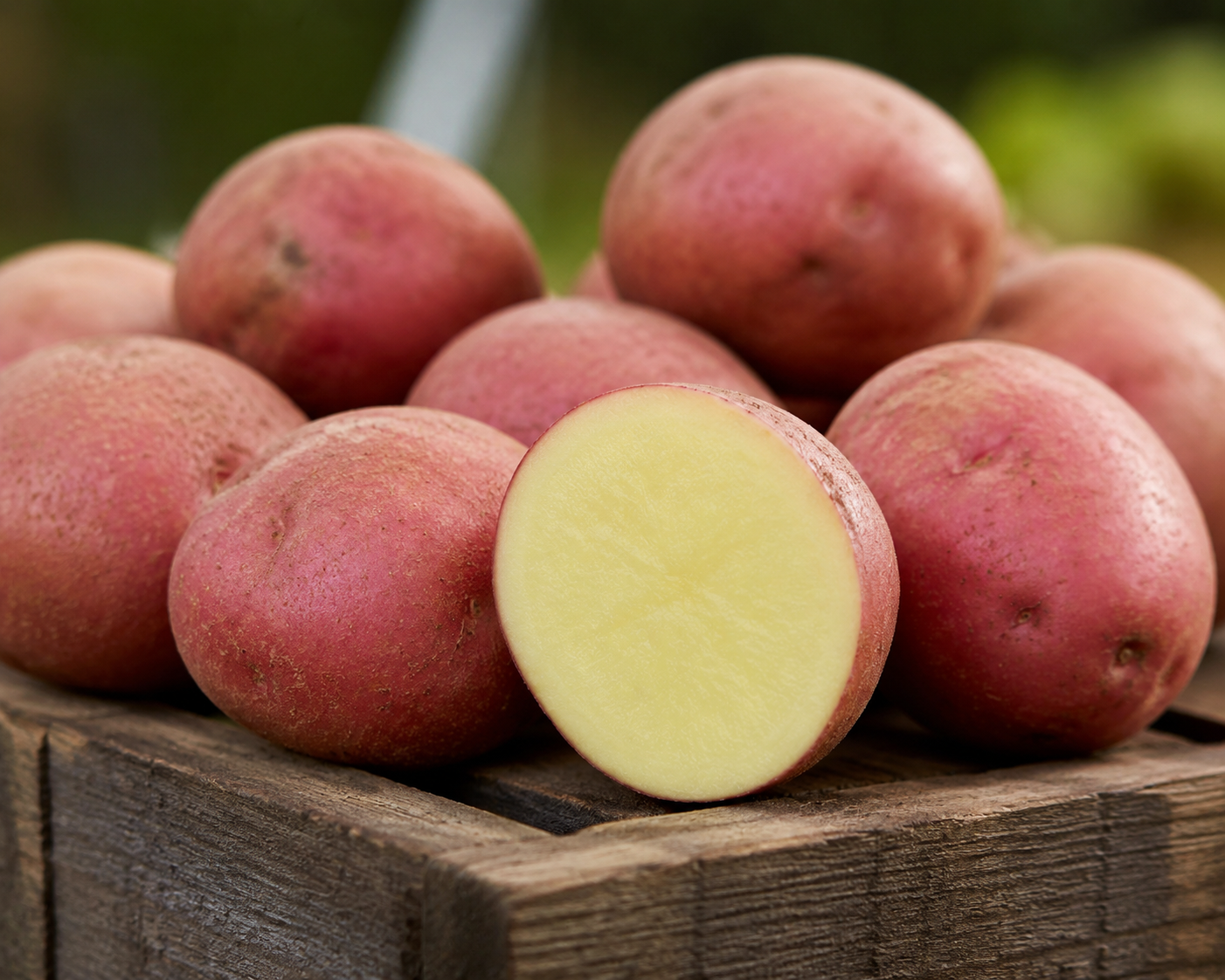
This is the variety most crisping factories reach for first. It’s known across the industry as a near sugar free potato with early maturity and dependable, round tubers. Snack producers like it because the flesh color stays consistently light after frying, which matters a lot when a retail buyer is judging quality by appearance alone.
Santé
Santé isn’t purely a chips specialist, it’s more of an all-rounder, but its disease resistance and long shelf life make it a practical choice for processors who need reliable supply across a longer season. We carry this one too, and you can check the Natural Santé potato specs if you’re comparing it against Lady Rosetta for your production line.
Mozika
Mozika tends to get more attention from fresh-market buyers and wholesalers than from chips factories, thanks to its long shape and clean skin. Some smaller snack operations still use it but it’s not the first pick for high-volume crisping.
Asterix
Asterix shines more in the frozen fry segment elongated shape rich yellow flesh than in thin-cut crisping but it’s worth knowing about if your operation handles both fries and chips.
Home Cook vs. Industrial Buyer Different Needs Same Principles

If you’re frying chips at home you don’t need lab-grade sugar testing. Look for potatoes labeled as low-sugar or crisping varieties at your local market and do a simple test: cut a slice fry a single piece and check the color after 90 seconds. Even, light gold means you’ve got a good batch.
Industrial buyers obviously need a lot more rigor. Sourcing at scale means checking:
- Dry matter percentage (ideally above 20%)
- Sugar profile test results from the supplier
- Consistent sizing across the shipment
- Storage and transport conditions before the potatoes reach you
A supplier who can hand you actual lab data instead of just a verbal promise is worth paying a bit more for.
Common Mistakes Buyers Make When Sourcing Chip Potatoes
Buying on Price Alone
The cheapest lot per kilo often ends up costing more once you factor in rejected batches and inconsistent fry color. A slightly higher price for a proven low-sugar variety usually pays for itself within the first few production runs.
Ignoring Seasonal Sugar Spikes
Potatoes stored past their ideal window can develop what’s called cold-induced sweetening where sugar levels creep up even in varieties bred to resist it. Ask your supplier about storage temperature and how long the batch has been held.
Skipping Sample Testing
Ordering a full container without frying a sample batch first is a gamble. Most reliable exporters will send a small sample lot before you commit to bulk, and it’s worth the extra week it takes.
Overlooking Shape Consistency
A load with mixed sizes might look fine in a photo but will cause real headaches on an automated slicer. Ask specifically about grading and sorting before the shipment leaves the farm.
How Pakistani Growing Regions Affect Quality
Punjab’s potato belt, particularly around Okara, Depalpur and Sahiwal, produces a large share of the country’s chips-grade crop, thanks to suitable soil and a growing season that lines up well with crisping varieties like Lady Rosetta. Sindh contributes too, though storage infrastructure varies more by district.
For buyers outside Pakistan, understanding which region a shipment comes from can actually tell you a lot about expected sugar content and shelf stability before the potatoes even arrive. It’s worth asking your supplier directly rather than assuming all Pakistani potatoes behave the same way, because they don’t.
Frequently Asked Questions
What is the best potato variety for making chips?
Lady Rosetta is widely considered the top choice because of its naturally low sugar content and consistent fry color. It’s the variety most commercial chip manufacturers request by name.
Can I use regular table potatoes for chips?
You can, but the results will be inconsistent. Table potatoes usually carry more residual sugar which leads to darker uneven frying compared to dedicated crisping varieties.
Why do some fried chips turn dark or bitter?
That’s almost always a sugar issue. High reducing sugar content caramelizes at frying temperature, creating dark spots and a slightly bitter aftertaste.
How long can chip-grade potatoes be stored before quality drops?
Most crisping varieties hold up well for several months in proper cold storage but sugar levels can start climbing after that, especially if temperatures aren’t controlled closely.
Is Santé a good alternative to Lady Rosetta?
Santé works well when you need longer shelf life and disease resistance though Lady Rosetta generally edges it out for pure crisping performance and color consistency.
Do Pakistani potatoes meet export standards for chips manufacturing?
Yes, several Punjab grown varieties are already exported to processors internationally. Buyers typically look for lab-verified sugar and dry matter data before finalizing bulk orders.
Final Thoughts
Choosing the right potato for chips isn’t guesswork once you know what to check for: low sugar solid dry matter consistent shape, and honest storage information from your supplier. Whether you’re running a home fryer or a full production line the fundamentals don’t change.
If you’re sourcing at volume, it’s worth comparing options directly. You can see how Pakistan’s potato exporters describe their crisping varieties and then request an actual sample batch before committing to a full shipment. That one extra step saves far more money than it costs.