Subtotal $ 0

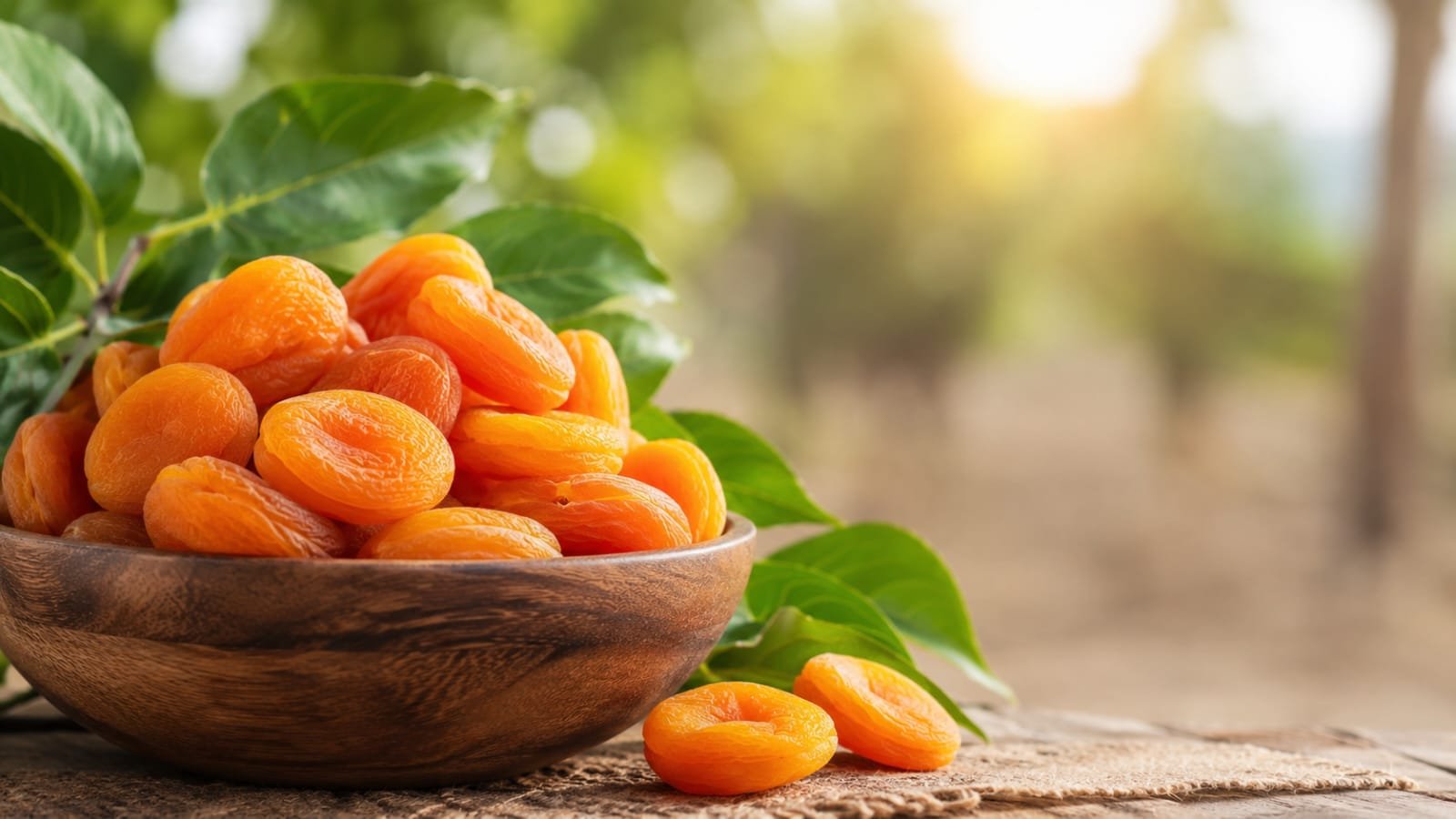
Dried Apricot Benefits Nutrition Uses & Buying
Open almost any pantry in Lahore, Karachi, or Skardu and you’ll probably find a small bag of dried apricots sitting next to the almonds and raisins. They’re cheap, they last for months and grandmothers have handed them to kids with upset stomachs for generations. That’s no accident the dried apricot benefits behind this old habit are backed by real nutrition not just tradition.
We already covered what fresh apricots do for the body in our Apricot Benefits guide, but this article is dedicated entirely to the dried version, because drying changes more about the fruit than most people realize. From digestion-friendly fiber to an iron content that genuinely surprises people, dried apricot benefits go well beyond “healthy snack.” Keep reading for how many to eat, what to look for when buying and a few easy ways to use them including a cooling apricot lassi most people haven’t tried.
What Actually Happens When an Apricot Is Dried?
Fresh apricots are roughly 86% water. Once that water is removed, usually through sun-drying or controlled dehydrators everything else left behind gets packed into a smaller, chewier piece of fruit. That’s the simplest explanation for most dried apricot benefits you’ll come across: the fiber, potassium, vitamin A, even the natural sugar, all become more concentrated per bite.
A fresh apricot is a light snack with around 17 calories each. Dried, that same fruit can carry three to four times the calories and fiber by weight. This is why a small handful of dried apricots feels more filling than a whole bowl of fresh ones, and why portion size starts to matter more.
Sun-drying, still common across northern Pakistan’s apricot belt darkens the fruit naturally over a few days. Commercially sulfured apricots stay brighter orange because of extra processing. Neither is harmful, but it’s worth knowing the difference before you buy.
Dried Apricot Benefits for Everyday Digestion
If there’s one thing dried apricots are genuinely known for it’s keeping digestion on track. They’re rich in soluble fiber the kind that softens stool and helps food move through the gut at a steady pace instead of all at once.
A lot of households across South Asia already know this instinctively. Soaking four or five dried apricots overnight and eating them in the morning is a common home remedy for constipation, since the fiber absorbs water and swells, making things easier to pass.
That same fiber feeds the good bacteria living in your gut, which has been linked to better nutrient absorption overall. This isn’t only about bathroom habits it’s foundational digestive support that happens to taste sweet.
Why Dried Apricots Are Quietly Good for Iron and Anemia
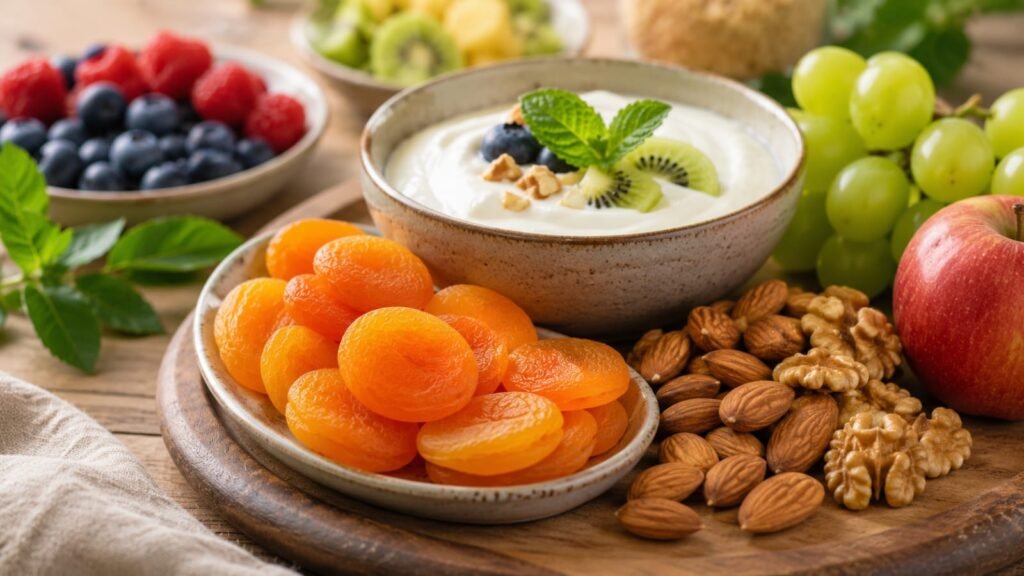
Here’s a dried apricot benefit that doesn’t get nearly enough attention: iron. Because drying concentrates minerals along with everything else, dried apricots carry noticeably more iron, gram for gram, than fresh ones do.
This matters in a region where iron-deficiency anemia is common, especially among women and teenage girls. Dried apricots won’t replace a doctor’s treatment for diagnosed anemia, but pairing a small handful with a vitamin C source, like orange juice or a squeeze of lemon, can improve how much of that iron the body actually absorbs.
Many dietitians quietly recommend dried apricots as a between-meal snack for pregnant women and growing teenagers for exactly this reason.
Simple Everyday Ways to Use Dried Apricots (Including Apricot Lassi)
You don’t need a recipe book to start using dried apricots daily. Chop a few into morning oats, toss a handful into a trail mix with almonds, or simmer some down into a quick chutney for grilled chicken or kebabs.
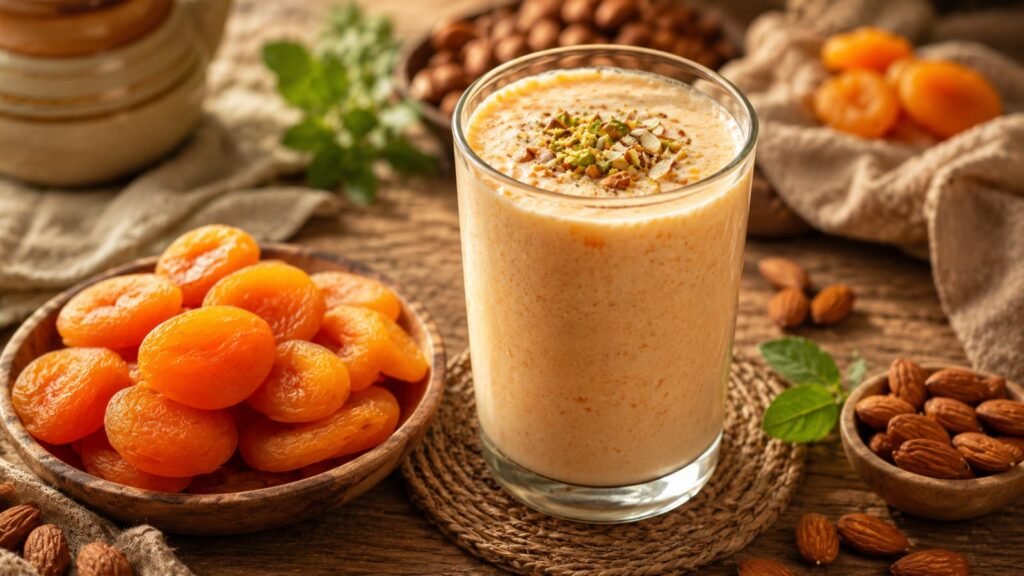
One combination that doesn’t get enough credit is apricot lassi. Soak six to eight dried apricots in warm water until soft, then blend with a cup of yogurt, a little milk, and a touch of honey, and strain before chilling. The natural tang balances the yogurt beautifully, giving you fiber, potassium, and probiotics in a single glass, perfect on a hot afternoon.
If you’re buying dried apricots regularly, quality makes a real difference to taste and nutrition. We supply naturally sun-dried, export-grade apricots sourced directly from northern Pakistan’s orchards, worth knowing if your local market mostly stocks the heavily sulfured, imported kind.
Heart Health and Blood Pressure Support
Potassium becomes more concentrated once apricots are dried, and it plays a direct role in helping the body manage blood pressure by balancing out sodium. Cleveland Clinic’s nutrition team has pointed out that dried apricots carry far more fiber than the fresh fruit, part of why they show up so often in heart-friendly eating advice.
Combined with fiber, which is linked to healthier cholesterol levels, dried apricots fit naturally into a heart-conscious diet. Swapping a packet of fried chips for a small handful is a small change that adds up over time.
People managing blood pressure should still watch portions, since dried fruit is calorie-dense. As an occasional snack alongside a few walnuts or almonds, dried apricots are one of the more heart-friendly options on the shelf.
Skin, Eyes and Antioxidant Protection
Dried apricots get their deep orange-gold color from beta-carotene, which the body converts into vitamin A as needed. Vitamin A supports the renewal of skin cells and plays a key role in maintaining healthy vision particularly in low light.
They also contain lutein and zeaxanthin, two antioxidants that build up specifically in the retina and are widely studied for protecting eyes from long term light damage.
On the skin side, vitamin A and antioxidants together help the body push back against everyday oxidative stress from sun exposure and pollution, something that matters during Pakistan’s intense summer months. None of this replaces sunscreen or a proper skincare routine, but it’s a genuine, food-based layer of support.
Energy Weight Management and Why Portion Size Matters
Because they’re calorie-dense dried apricots are an excellent quick energy snack. Hikers in Hunza and Chitral have relied on them for generations long before “energy bars” existed.
That same calorie density is why they call for moderation rather than free eating when weight management is the goal. A reasonable serving sits around six to eight pieces, not a full handful pulled straight from the bag.
The trick is treating them as a topping rather than an all-you-can-eat snack. A few chopped into oatmeal or scattered over a salad deliver the fiber and nutrients without the calorie overload of finishing a whole packet at once.
How to Pick and Store Good Quality Dried Apricots
Not all dried apricots are equal, and the difference shows up the moment you taste them. Bright, glowing orange apricots have usually been treated with sulfur dioxide to preserve color. They’re safe to eat, but people with sulfite sensitivity often prefer to avoid them. Naturally sun-dried apricots look darker, more amber or brown, with a deeper, slightly tangier flavor.
Texture matters just as much. Good dried apricots should feel soft and a little sticky, never rock-hard or papery, and shouldn’t smell sharply of sulfur the moment you open the bag. Once home, keep them in an airtight container away from direct sunlight, and they’ll easily hold their quality for several months, longer in the fridge.
Buying in bulk from a trusted, direct source matters more than most people realize, since lower-quality harvests are sometimes over-treated to hide poor color or texture.
FAQs
What are the main dried apricot benefits?
Dried apricots support digestion through fiber, help with iron intake, support heart health through potassium, and provide antioxidants for skin and eye health, all more concentrated than in fresh apricots.
How many dried apricots should I eat per day?
Most nutritionists suggest six to eight pieces a day, since dried apricots are calorie-dense and easy to overeat compared with fresh fruit.
Are dried apricots good for iron deficiency or anemia?
They contain more iron than fresh apricots and can support iron intake alongside a vitamin C source, but they shouldn’t replace medical treatment for diagnosed anemia.
Do dried apricots have a lot of sugar?
Yes, drying concentrates natural sugar along with everything else, so people managing blood sugar should stick to small, measured portions.
Are sulfured dried apricots safe to eat?
Generally yes, though people with sulfite sensitivity may prefer naturally sun-dried, unsulfured varieties instead.
Can dried apricots help with constipation?
Yes. Soaking a few overnight and eating them in the morning is a common, fiber-based home remedy for occasional constipation.
What’s a simple way to use dried apricots besides snacking?
Apricot lassi is one of the easiest options. Soaked dried apricots blended with yogurt and a little milk make a tangy, fiber-rich drink in minutes.
Conclusion
Dried apricots quietly earn their reputation over time. The fiber supports digestion, the iron fills a real gap in many diets, the potassium plays its part for heart health, and the antioxidants give skin and eyes a small but genuine boost, all packed into a fruit small enough to carry in your pocket.
The real key is portion and quality. Six to eight pieces a day, ideally from a naturally sun-dried batch rather than a heavily treated one, is enough to enjoy these benefits without overdoing the calories. Whether you eat them straight from the bag, soak them overnight, or blend them into a cooling apricot lassi, dried apricots are an easy, affordable way to add real nutrition to an ordinary day.
What makes dried apricots especially valuable is their convenience. They require no preparation have a long shelf life and can be enjoyed at home at work or while traveling. For people looking to increase their intake of fiber vitamins and essential minerals without relying on processed snacks dried apricots are a practical choice. When sourced from high quality naturally sun dried apricots they offer both great taste and impressive nutritional value. Adding a small serving to your daily routine is a simple step that can contribute to better overall health and wellness over time.