Subtotal $ 0

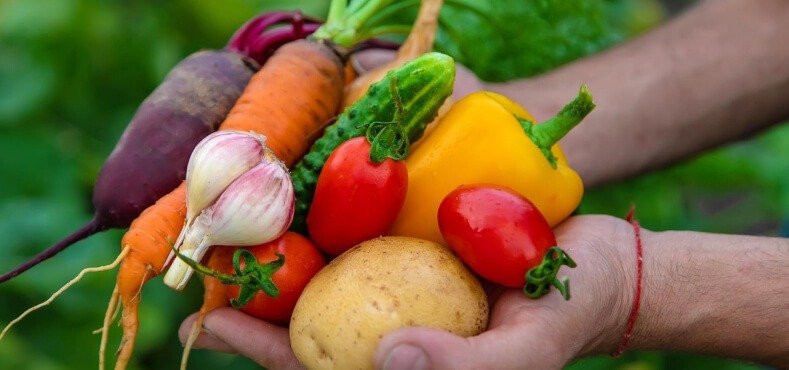
Benefits of Organic Food for Health and Sustainable Living
Organic food has gained significant popularity worldwide as more people become conscious of their health and the environment. Consumers are increasingly choosing organic fruits, vegetables, grains, and dairy products because they are produced using natural farming methods without synthetic pesticides, chemical fertilizers, or genetically modified organisms (GMOs).
As global demand for natural and healthy food continues to rise, trusted Pakistan Fruit Export Supplier businesses are helping deliver fresh organic produce to international markets while maintaining high quality standards.
The growing interest in healthy eating has made organic food an important part of modern lifestyles. Beyond personal health benefits, organic farming also contributes to environmental sustainability and supports responsible agricultural practices.
What Is Organic Food?
Organic food refers to products that are grown and processed according to strict agricultural standards. Farmers use natural methods to improve soil fertility, control pests, and maintain crop health without relying on synthetic chemicals.
Common organic products include:
- Organic fruits and vegetables
- Organic grains and cereals
- Organic dairy products
- Organic meat and poultry
- Organic herbs and spices
These products are carefully monitored to ensure they meet organic certification requirements.
Health Benefits of Organic Food
Rich in Essential Nutrients
Organic fruits and vegetables are often associated with higher levels of vitamins, minerals, and antioxidants. These nutrients play an important role in supporting immunity, energy levels, and overall well-being.
Reduced Exposure to Chemicals
One of the main reasons consumers choose organic food is to reduce exposure to synthetic pesticides and chemical residues. Organic farming relies on natural alternatives, helping minimize the use of potentially harmful substances.
Free from GMOs
Organic standards prohibit the use of genetically modified organisms. For individuals who prefer natural food production methods, organic products provide an alternative choice.
Better Taste and Freshness
Many consumers believe organic produce offers a fresher and more natural taste. Because organic crops are often grown using sustainable farming practices, they may develop stronger flavors and aromas.
Many international buyers now prefer working with a reliable Pakistan Fruit Export Supplier to source fresh fruits produced through sustainable and environmentally responsible farming practices.
Environmental Benefits of Organic Farming
Organic agriculture focuses on protecting natural resources and reducing environmental impact.
Improved Soil Health
Organic farming encourages healthy soil through composting, crop rotation, and natural fertilizers. Healthy soil supports long-term agricultural productivity.
Water Conservation
Many organic farming techniques help reduce water pollution and improve water retention in the soil.
Biodiversity Protection
Organic farms often support greater biodiversity by providing habitats for beneficial insects, birds, and wildlife.
Reduced Carbon Footprint
Sustainable farming methods can help reduce greenhouse gas emissions and promote environmentally responsible food production.
Supporting Local Farmers
Choosing organic food often means supporting small-scale farmers who prioritize sustainable farming practices. This contributes to local economies and encourages responsible agricultural development.
Farmers’ markets, local organic stores, and community-supported agriculture programs provide opportunities to purchase fresh organic products directly from growers.
Tips for Incorporating More Organic Food
Transitioning to an organic lifestyle does not need to happen all at once. Small changes can make a significant difference.
Start with High-Priority Items
Focus on commonly consumed fruits and vegetables and gradually increase your organic purchases.
Shop at Farmers’ Markets
Farmers’ markets often provide access to fresh organic produce while allowing consumers to connect directly with local growers.
Read Labels Carefully
Look for recognized organic certifications when purchasing packaged foods.
Grow Your Own Food
A small home garden can provide fresh herbs, vegetables, and fruits while giving you greater control over growing methods.
Join a CSA Program
Community Supported Agriculture (CSA) programs allow consumers to receive seasonal produce directly from local farms.
Challenges of Organic Food
While organic food offers many benefits, some challenges exist.
- Higher production costs
- Limited availability in some regions
- Shorter shelf life for certain products
- Higher retail prices
Despite these factors, many consumers consider the long-term health and environmental benefits worth the investment.
The Future of Organic Food
Global demand for organic products continues to grow as consumers become more aware of health, sustainability, and food quality. Advances in organic farming techniques and increasing market availability are expected to make organic products more accessible in the future.
Governments, agricultural organizations, and consumers are increasingly supporting sustainable food systems that prioritize environmental protection and responsible farming.
For global insights on organic farming practices and sustainable agriculture, explore the Organic Agriculture Information resource provided by the Food and Agriculture Organization (FAO).
Conclusion
Organic food offers numerous benefits for both personal health and the environment. From reducing exposure to synthetic chemicals to supporting sustainable farming practices, choosing organic products can contribute to a healthier lifestyle and a more sustainable future.
Whether you start by purchasing a few organic vegetables or fully embrace an organic diet, every step supports responsible food production and environmental stewardship. As awareness continues to grow, organic food is likely to remain an important part of healthy living worldwide.
FAQs
What is organic food?
Organic food is produced using natural farming methods without synthetic pesticides, chemical fertilizers, or GMOs.
Is organic food healthier than conventional food?
Organic food may contain beneficial nutrients and reduces exposure to synthetic chemical residues, though overall nutrition can vary.
Why is organic food more expensive?
Organic farming often requires more labor, specialized practices, and certification processes, increasing production costs.
Are organic foods GMO-free?
Yes, certified organic foods are produced without genetically modified organisms.
How can I start eating more organic food?
Begin by purchasing organic fruits and vegetables, shopping at farmers’ markets, and reading product labels carefully.