Subtotal $ 0

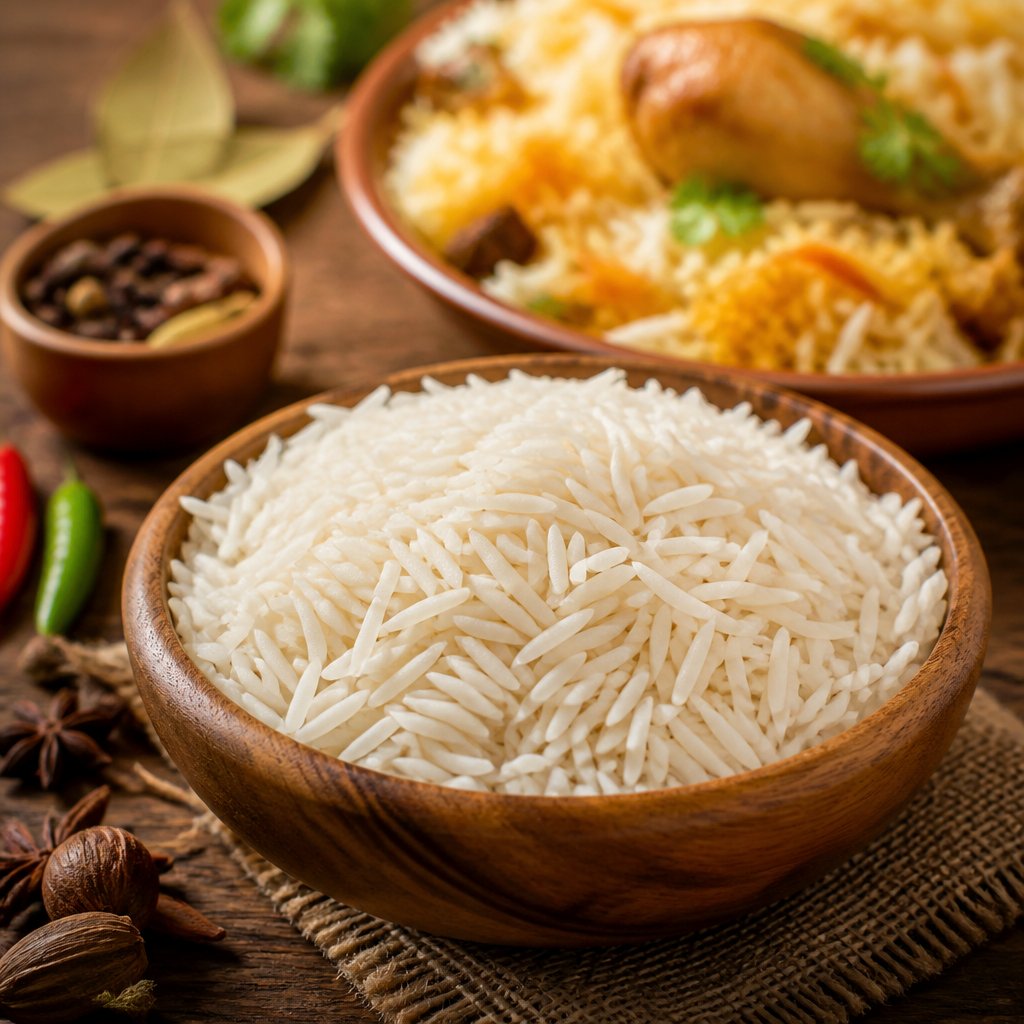
Basmati Rice Price in Pakistan
Rice has always been an important part of Pakistani culture and cuisine. Whether it is a family dinner, wedding event, or festive gathering, basmati rice is often at the center of the table. Its rich aroma, soft texture, and long grains make it one of the most preferred rice varieties in Pakistan and around the world.
If you enjoy traditional Pakistani dishes, you may also like reading our guide on Best Rice for Biryani in Pakistan to discover which rice varieties work best for flavorful homemade meals.
In recent years, the basmati rice price in pakistan has become a growing concern for households, restaurant owners, retailers, and exporters. Prices have changed rapidly because of inflation, export demand, weather conditions, transportation costs, and agricultural challenges. Consumers now compare prices more carefully before making a purchase.
This guide covers current market trends, major price factors, quality tips, popular rice varieties, and future expectations for Pakistan’s rice industry.
Why Basmati Rice Is So Popular in Pakistan
Pakistan is known globally for producing premium-quality basmati rice. The fertile lands of Punjab provide ideal growing conditions, which contribute to the unique aroma and texture that make Pakistani basmati stand out.
People love basmati rice because it offers:
- Long and fluffy grains
- Natural fragrance
- Soft texture after cooking
- Excellent taste with traditional dishes
- Better presentation for biryani and pulao
Pakistani basmati rice is also exported worldwide, especially to countries in the Middle East, Europe, Canada, and the United States. This strong global demand directly impacts local prices.
Current Basmati Rice Prices in Pakistan
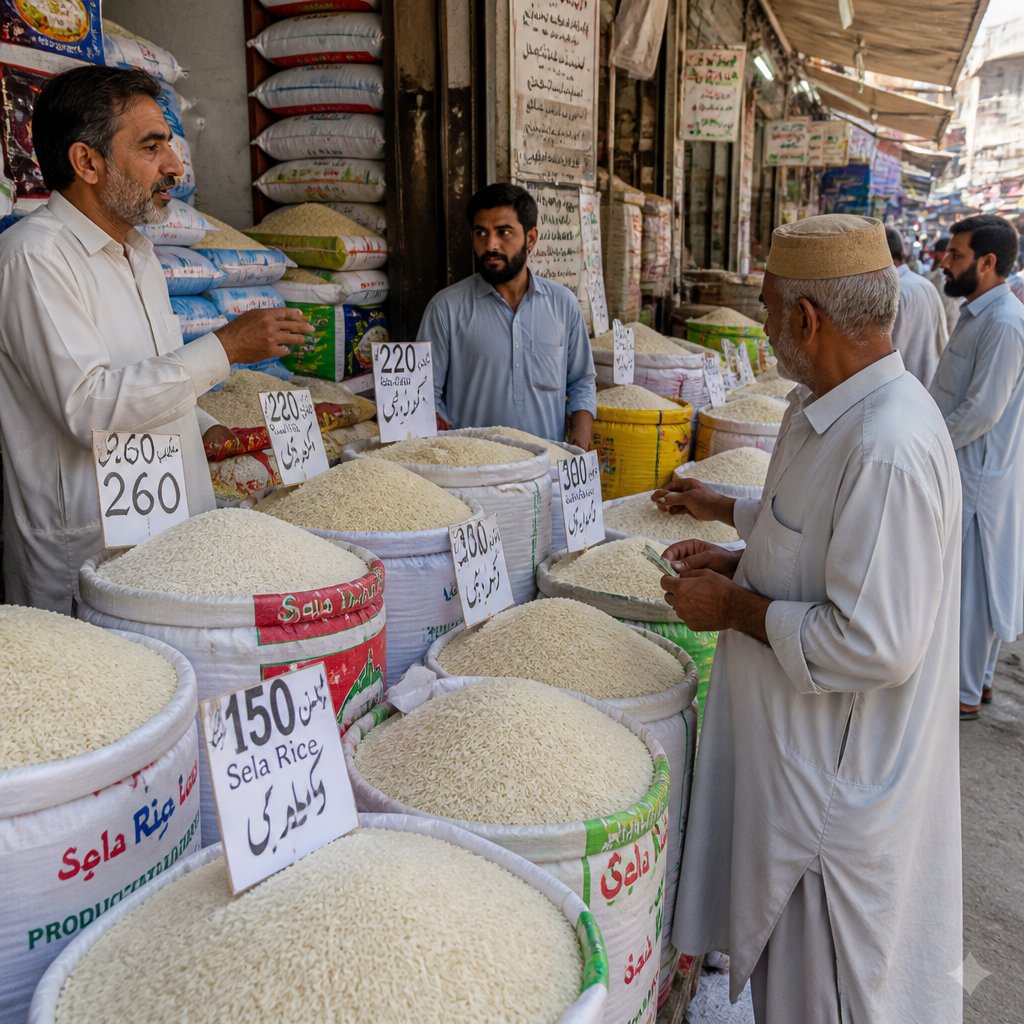
The basmati rice price in pakistan depends on factors such as grain quality, age, packaging, and city location.
Economy Basmati Rice
Economy-grade rice is affordable and commonly used for daily cooking. It may not have a strong aroma, but it still provides decent quality.
Premium Basmati Rice
Premium varieties are more expensive because they feature extra-long grains, stronger fragrance, and better cooking texture.
Export-Quality Rice
Export-grade basmati rice goes through strict quality checks and advanced processing. It is usually sold at higher prices because of international demand.
Prices may also vary slightly between cities such as Lahore, Karachi, Islamabad, and Faisalabad due to transportation and supply chain costs.
Factors Affecting Basmati Rice Prices
Weather and Climate Conditions
Rice farming depends heavily on water availability and stable weather. Floods, droughts, or irregular rainfall can damage crops and reduce production.
Export Demand
Pakistan exports large quantities of basmati rice every year. When foreign demand rises, more rice is sent abroad, reducing local supply.
Fuel and Transportation Costs
Rising fuel prices increase the cost of transporting rice from farms to mills and markets.
Inflation
Packaging materials, labor costs, electricity bills, and storage expenses all contribute to higher rice prices.
Currency Exchange Rates
Changes in the value of the Pakistani rupee also influence export profits and local market prices.
Popular Types of Basmati Rice in Pakistan
Super Basmati Rice
Super basmati is famous for its aroma, grain length, and fluffy texture after cooking.
It is widely used for:
- Biryani
- Pulao
- Fried rice
- Special occasions
1121 Basmati Rice
1121 rice is known for its extra-long grains and premium presentation.
Brown Basmati Rice
Health-conscious consumers often choose brown basmati rice because it contains more fiber and nutrients.
For readers interested in healthier food choices, our article on Healthy Benefits of Brown Basmati Rice explains how brown rice can be a nutritious addition to your daily diet while still offering great taste and texture.
Sella Rice
Sella rice has a firmer texture and works well in commercial cooking.
How to Identify High-Quality Basmati Rice
Check the Grain Length
Premium basmati rice usually has long and uniform grains.
Smell the Aroma
Authentic basmati rice has a distinct natural fragrance.
Look for Broken Grains
Too many broken grains often indicate lower quality rice.
Observe Cooking Expansion
High-quality rice expands more in length while remaining separate after cooking.
Buying Rice from Local Markets vs Online Stores
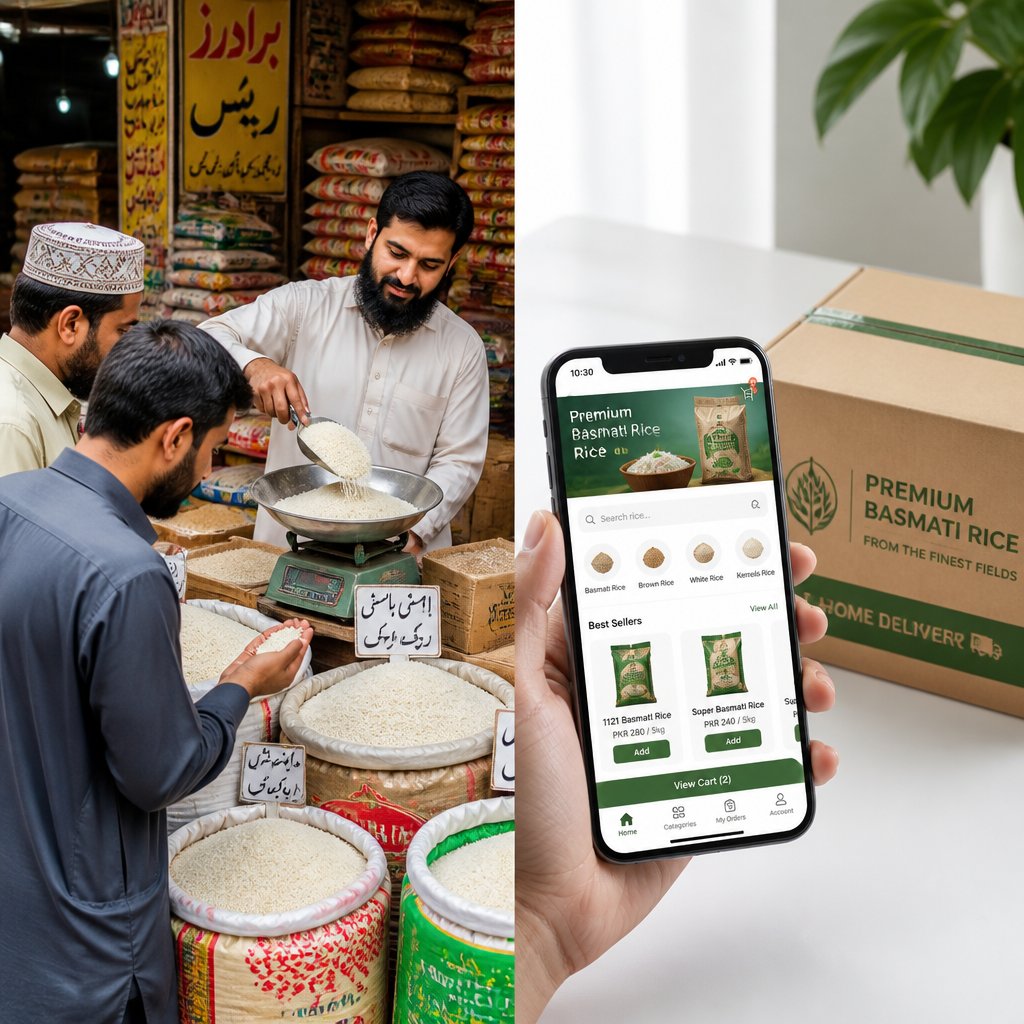
Online grocery shopping has become popular in Pakistan because it saves time and allows easy price comparison.
Benefits of Online Shopping
- Convenient home delivery
- Easy comparison between brands
- Customer reviews
- Access to premium products
Benefits of Local Markets
- Ability to inspect rice quality physically
- Better bargaining opportunities
- Fresh stock availability
Many buyers compare online prices before visiting local markets.
Tips to Save Money While Buying Rice
Buy in Bulk
Large bags are usually cheaper per kilogram.
Compare Multiple Sellers
Prices can vary significantly between stores and markets.
Purchase During Harvest Season
Rice prices may become more competitive after harvest season.
Avoid Fancy Packaging
Premium packaging often increases costs unnecessarily.
How Restaurants Handle Rising Rice Prices
Restaurants and catering businesses are heavily affected by changing rice prices because rice is one of their main ingredients.
Many businesses now:
- Purchase directly from wholesalers
- Store rice in bulk during lower-price periods
- Use mixed rice varieties
- Gradually adjust menu prices
Biryani shops especially face pressure because customers expect both quality and affordability.
Pakistan’s Rice Export Industry
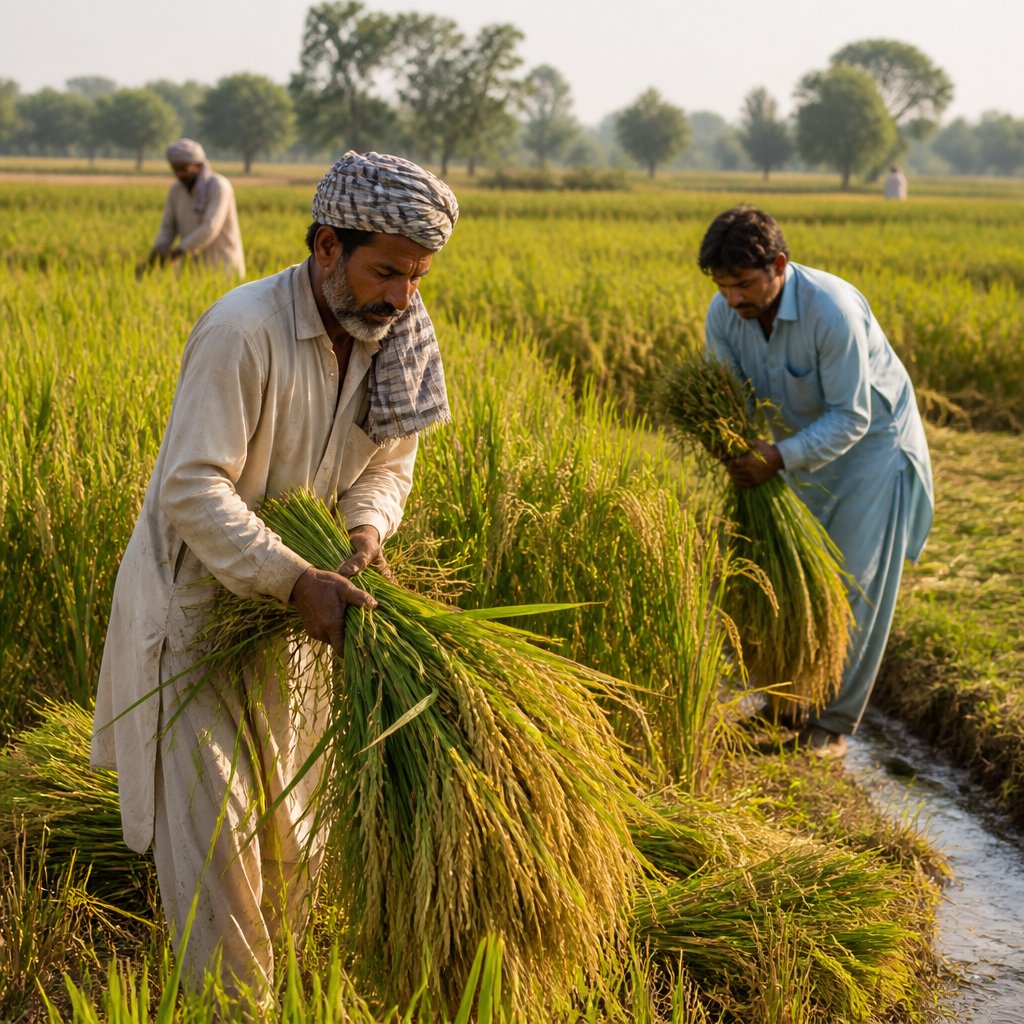
Pakistan is one of the leading rice-exporting countries in the world. The country competes strongly with India, Thailand, and Vietnam in global rice markets.
Pakistani basmati rice is popular because of:
- Rich aroma
- Long grains
- Competitive pricing
- Traditional farming methods
When exports increase significantly, local consumers often experience higher domestic prices.
Future of Basmati Rice Prices in Pakistan
Experts believe rice prices may continue fluctuating because of:
- Climate change
- Water shortages
- Inflation
- Export competition
- Rising farming expenses
Modern farming techniques and better storage facilities could help stabilize prices in the future.
Why Basmati Rice Remains a Household Favorite
Even with rising prices, basmati rice continues to hold emotional value in Pakistani households.
From wedding dinners to simple family meals, the aroma of freshly cooked basmati rice creates a sense of comfort and celebration.
For many families, rice is more than food. It is connected to tradition, hospitality, and memories shared around the table.
For updated rice market data and agricultural statistics, readers can visit the Pakistan Bureau of Statistics for detailed reports and market insights.
Conclusion
The basmati rice price in pakistan continues to change because of export demand, inflation, fuel costs, and weather conditions. While these fluctuations affect household budgets, understanding the market helps consumers make smarter buying decisions.
Whether you are purchasing rice for home cooking or business use, focusing on quality, timing, and trusted suppliers is essential. Comparing prices and understanding rice varieties can help you get better value for money.
As Pakistan’s agricultural sector continues evolving, consumers can expect improvements in rice production and supply management. Staying informed about market trends will help buyers choose quality rice without overspending.
FAQs
Why is basmati rice expensive in Pakistan?
Basmati rice prices increase due to export demand, inflation, transportation costs, and agricultural challenges.
Which basmati rice is best for biryani?
Super Basmati and 1121 Basmati are considered ideal for biryani because of their long grains and aroma.
Does aged basmati rice cost more?
Yes, aged rice is usually more expensive because it develops better flavor and cooking quality.
Is Pakistani basmati rice exported internationally?
Yes, Pakistan exports large quantities of basmati rice worldwide.
How can I identify original basmati rice?
Look for long grains, natural fragrance, fewer broken grains, and good grain expansion after cooking.