Subtotal $ 0

Apricot Price in Pakistan Latest Market Rates & Buying Guide
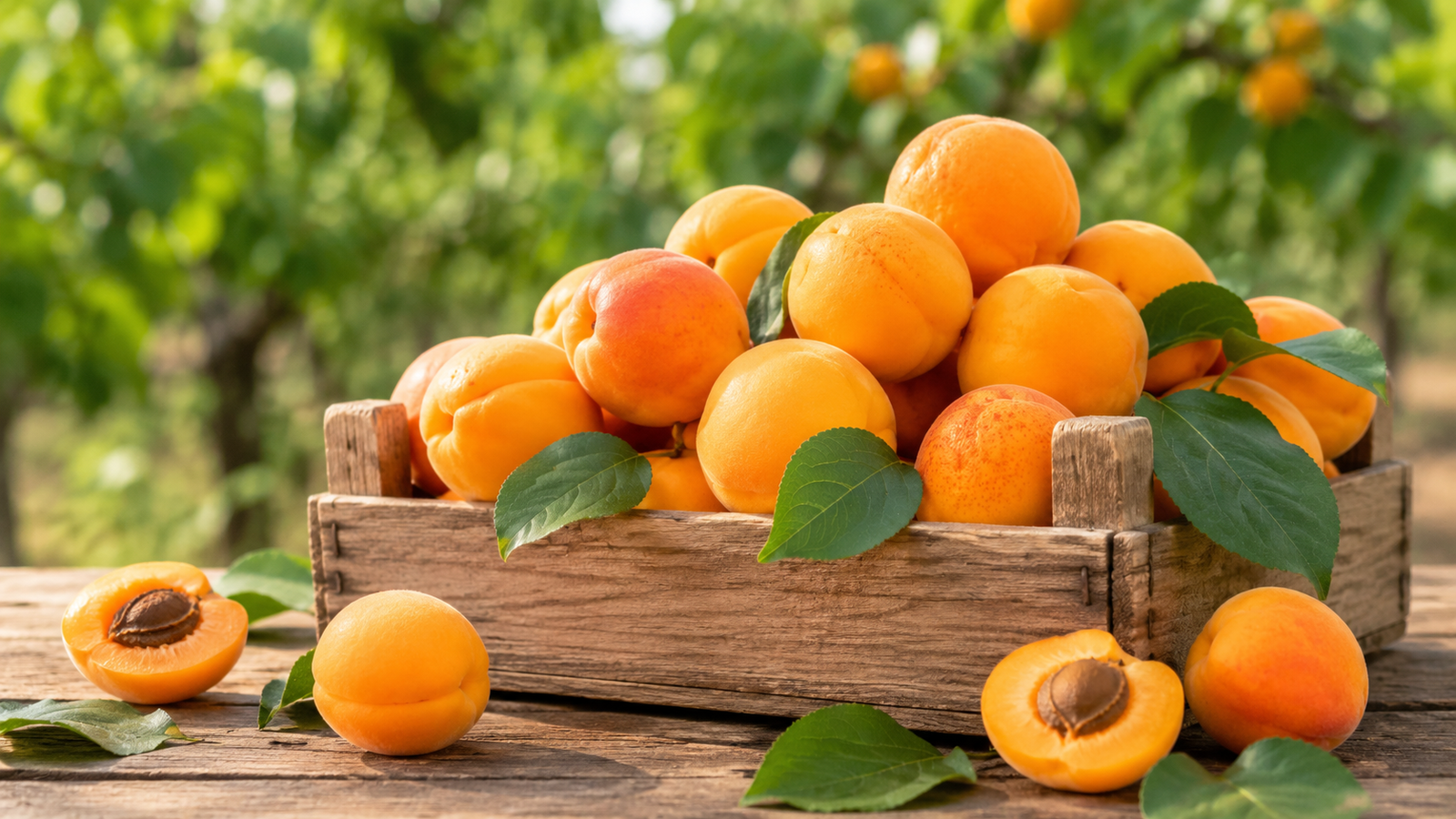
Apricot price in Pakistan is a topic that attracts attention from consumers, retailers, wholesalers, and exporters alike. Apricots are among the most popular seasonal fruits due to their delicious taste, nutritional value, and growing demand throughout the country. Whether you are purchasing apricots for personal consumption or sourcing them for commercial purposes, understanding market prices can help you make informed decisions.
Pakistan produces high-quality apricots, particularly in its northern regions where climate conditions are ideal for fruit cultivation. These apricots are valued for their sweetness, vibrant color, and excellent texture. Every year, thousands of tons are supplied to local markets and export destinations, making apricots an important part of the country’s fruit industry.
Consumers often research the nutritional value of apricots before buying them. Understanding the Apricot Benefits can help explain why this fruit remains a favorite choice among health-conscious families across Pakistan.
Understanding Apricot Prices in Pakistan
The apricot market in Pakistan experiences price fluctuations throughout the year. These changes are influenced by several factors, including seasonal production, transportation costs, consumer demand, and overall market conditions.
During the harvesting season, fresh apricots become widely available in markets. Increased supply generally leads to more competitive prices and greater purchasing opportunities for consumers. As the season progresses and supply decreases, prices may gradually rise due to limited availability.
Market location also affects pricing. Cities closer to production regions often benefit from lower transportation costs, while larger metropolitan areas may experience slightly higher prices due to distribution expenses and stronger consumer demand.
Understanding these patterns helps buyers make better purchasing decisions and identify the most suitable times to buy fresh apricots.
Factors That Influence Apricot Price in Pakistan
Several important factors determine how apricots are priced in local and wholesale markets.
Seasonal production remains one of the most significant influences. A successful harvest increases market supply, which can contribute to more stable pricing. Lower production levels may result in reduced availability and higher prices.
Fruit quality is another key factor. Premium-grade apricots that offer superior appearance, size, and freshness typically command higher market values. Export-quality fruit often undergoes strict grading processes before reaching buyers.
Transportation and storage costs also impact pricing. Since apricot-producing regions are often located far from major urban centers, logistics expenses contribute to final retail prices.
Consumer demand plays an equally important role. Growing awareness about healthy eating habits has increased interest in fresh fruits, including apricots, which can create stronger demand in the marketplace.
Apricot Farming Regions in Pakistan
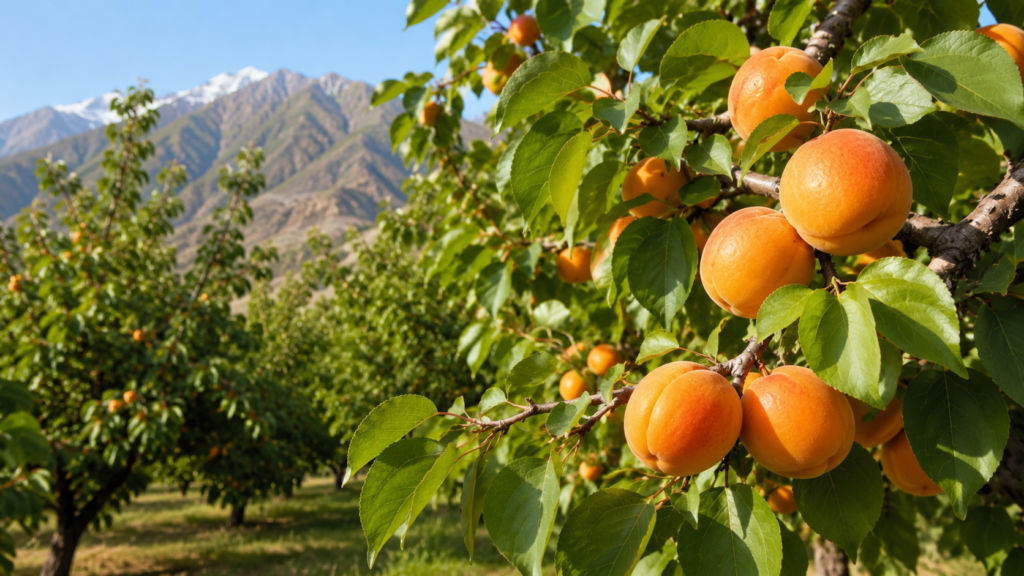
Pakistan’s northern regions are widely recognized for producing premium-quality apricots. These areas provide favorable weather conditions, fertile soil, and suitable temperatures that support healthy fruit development.
Local farmers have cultivated apricots for generations, passing down valuable agricultural knowledge and experience. Modern farming techniques have further improved fruit quality and production efficiency.
The northern climate helps create apricots with excellent flavor and sweetness. These qualities make Pakistani apricots attractive to both domestic consumers and international buyers.
Agricultural development initiatives and improved farming practices continue to strengthen the country’s fruit sector. Better irrigation systems, orchard management techniques, and harvesting methods contribute to higher-quality production and improved market opportunities.
Fresh Apricots vs Dried Apricots
Many consumers compare fresh and dried apricots when evaluating prices and nutritional value. While both products originate from the same fruit, their pricing structures can differ significantly.
Fresh apricots are usually available during the harvest season. Their juicy texture and natural sweetness make them a popular seasonal fruit choice. Prices are influenced heavily by seasonal availability and local production levels.
Dried apricots are available throughout the year and generally cost more than fresh varieties. The drying process requires a larger quantity of fresh fruit and involves additional handling, packaging, and storage expenses.
Consumers often choose dried apricots because they have a longer shelf life and can be stored conveniently for extended periods. They are also widely used in snacks, desserts, and various food products.
The choice between fresh and dried apricots ultimately depends on individual preferences, intended usage, and budget considerations.
How to Identify High-Quality Apricots
Buying quality apricots involves more than simply looking at the price. Understanding key quality indicators can help consumers make better purchasing decisions.
Fresh apricots should display a rich orange color and a pleasant natural aroma. The fruit should feel slightly firm while showing signs of proper ripeness. Excessively soft fruit may indicate over-ripeness, while green or hard fruit may require additional time to mature.
Consumers should also inspect the surface of the fruit for bruises, cuts, or signs of deterioration. Healthy apricots generally have smooth skin and an attractive appearance.
For dried apricots, packaging quality, freshness, and consistency are important considerations. Products stored under appropriate conditions usually maintain better flavor and nutritional value.
Professional traders often inspect multiple batches before making purchasing decisions to ensure consistency and quality.
Growing Demand for Apricots in Pakistan
Consumer demand for apricots has increased steadily over recent years. Growing awareness regarding healthy eating habits has encouraged more people to include fruits in their daily diets.
Apricots are particularly popular because they combine excellent taste with nutritional benefits. Their versatility allows them to be consumed fresh, dried, or incorporated into a variety of food preparations.
The expansion of modern retail channels and online grocery platforms has also improved accessibility. Consumers can now purchase fresh fruits more conveniently than ever before.
Export demand further supports market growth. International buyers continue to appreciate Pakistani apricots for their quality and competitive pricing.
Pakistan’s success in fruit exports can also be seen through the efforts of Fresh Mango Exporter Pakistan businesses that have successfully introduced premium-quality fruits to global markets.
Future Outlook for Apricot Prices
The future outlook for Pakistan’s apricot industry remains positive. Improvements in agricultural practices, transportation infrastructure, and storage facilities are expected to support continued market growth.
Consumer awareness regarding healthy lifestyles continues to expand, increasing demand for nutritious fruits such as apricots. This trend is likely to benefit growers, traders, and exporters in the coming years.
Advancements in cold-chain logistics and packaging technologies may also improve product quality and reduce post-harvest losses. These improvements can enhance profitability throughout the supply chain.
Although seasonal fluctuations will continue to influence pricing, overall market prospects remain encouraging.
Wholesale Apricot Market Opportunities in Pakistan
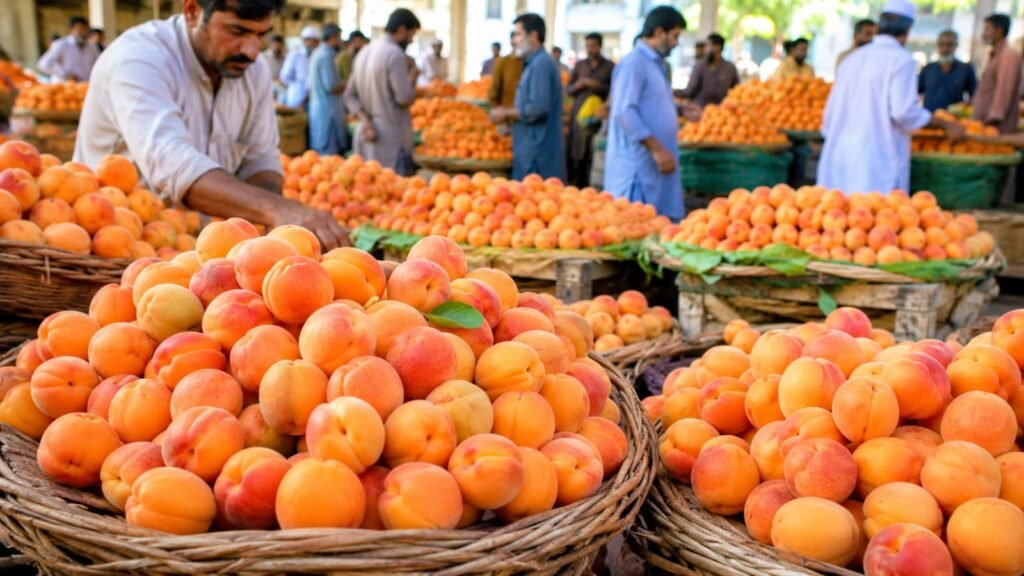
The wholesale apricot market in Pakistan offers significant opportunities for traders, retailers, exporters, and food processing businesses. Every year, large quantities of fresh apricots are supplied from production regions to wholesale markets across the country. These markets play an important role in connecting farmers with retailers and end consumers.
Wholesale buyers often benefit from more competitive pricing because they purchase larger quantities directly from suppliers. This approach allows fruit shops, supermarkets, and distributors to maintain consistent inventory while managing costs more effectively. Businesses that establish long-term relationships with reliable suppliers can often secure better product quality and more stable pricing throughout the season.
Another factor contributing to the growth of the wholesale apricot market is the increasing demand for healthy food products. Consumers are becoming more aware of the nutritional value of fresh fruits, leading to stronger demand in both urban and rural areas. As a result, wholesalers continue to expand their operations to meet market requirements.
Export opportunities are also supporting market growth. Pakistani apricots are appreciated for their taste, color, and quality, making them attractive to international buyers. Exporters frequently seek premium-grade fruit that meets global quality standards, creating additional opportunities for growers and traders.
Advancements in cold storage facilities and transportation systems have further improved the efficiency of the supply chain. Better storage helps maintain freshness for longer periods, reducing product losses and improving profitability for businesses.
For new buyers entering the market, careful supplier selection is essential. Working with trusted exporters and wholesalers helps ensure consistent quality, reliable deliveries, and competitive pricing. Conducting regular market research can also help businesses identify trends and make informed purchasing decisions.
As Pakistan’s fruit industry continues to expand, the wholesale apricot sector is expected to remain an important contributor to agricultural trade. Strong domestic demand, improving export opportunities, and better supply chain management are likely to support continued growth in the years ahead.
FAQs
What is the average apricot price in Pakistan?
Apricot prices vary depending on season, quality, and location. During the harvest season, prices are generally more competitive due to increased supply.
Why do apricot prices change throughout the year?
Prices change because of seasonal production cycles, transportation costs, market demand,
Which areas of Pakistan produce apricots?
Northern regions of Pakistan are known for producing high-quality apricots due to favorable climatic conditions.
When is the best time to buy fresh apricots?
The harvesting season is usually the best time because supply is highest and prices are often more affordable.
Are apricots suitable for daily consumption?
Many people include apricots in a balanced diet because they provide natural sweetness and valuable nutrients.
Conclusion
Understanding the apricot price in Pakistan helps consumers, wholesalers, retailers, and exporters make better purchasing decisions. Market prices are influenced by seasonal production, fruit quality, transportation expenses, and consumer demand. Staying informed about these factors can help buyers identify the best opportunities and obtain greater value.
Pakistan continues to strengthen its position as a producer of premium-quality fruits. Improved farming practices, growing domestic demand, and expanding export opportunities are contributing to the long-term development of the apricot industry.
Whether you are purchasing apricots for personal use or commercial purposes, focusing on quality and working with trusted suppliers can help ensure the best results. As consumer interest in healthy eating continues to grow, apricots are expected to remain an important part of Pakistan’s agricultural and fruit market landscape.
For additional information about agriculture, fruit production, and farming developments, readers can explore the Pakistan Agricultural Research Council.